 English
 Indian
 العربية
 Español
 Deutsch
 Türkçe
 Русский
 Français (Afrique)

Lies of P publisher files trademark for likely sequel 'Wonders of O'
As reported by Eurogamer, Lies of P publisher Neowiz has filed an EU trademark for something called "Wonders of O" categorized as, among other, similar things, a bit of "virtual reality game software." While not 100% confirmed, there's a strong possibility that this is the Lies of P sequel we know is in development.
Similarly, it's difficult to see it being anything other than a Wizard of Oz adaptation in the same way Lies of P was a sicko's souslike Pinocchio. The name aside, Lies of P's post-credits scene ended with a view of a woman in ruby slippers clicking her heels—prepare yourself for the tragic Cowardly Lion boss fight now, it'll be easier that way. fish-roadgame.com
It just feels right, don't it? They're both fairy tales published in the Victorian era—1881 for P, 1900 for O—and while defined in the popular imagination by later Hollywood golden age film adaptations, the original works are far weirder and more interesting than most people give them credit for.
It seems like the marketing machine is starting to heat up for The Wonders of O. A few weeks ago, Lies of P developer Nough, formerly Round 8, put out a mini documentary hyping up its name change and work on the Lies of P sequel. Back in 2023, PCG news writer Lincoln Carpenter liked Lies of P well enough in his 74% review, but at the end of last year, our colleague Harvey Randall expressed his excitement for the studio's next game based on the quality of Lies of P's Overture expansion.
2026 games: All the upcoming games
Best PC games: Our all-time favorites
Free PC games: Freebie fest
Best FPS games: Finest gunplay
Best RPGs: Grand adventures
Best co-op games: Better together
Halloween the Game crossplay and cross-progression explained
If you're wondering how Halloween the Game crossplay works or whether you can save your progress across platforms, I've got all the answers for you right here. If you get a little confused between these terms, you're not alone, as they sound similar while meaning quite different things.
While crossplay refers to your ability to play with others on different platforms to yourself, cross-progression is to do with your own progress, and whether that carries across if you own a game on multiple platforms. With Halloween the Game available on Xbox, PlayStation, and PC, both are fair questions, but only one has a good answer, as you'll see below.
Halloween the Game crossplay
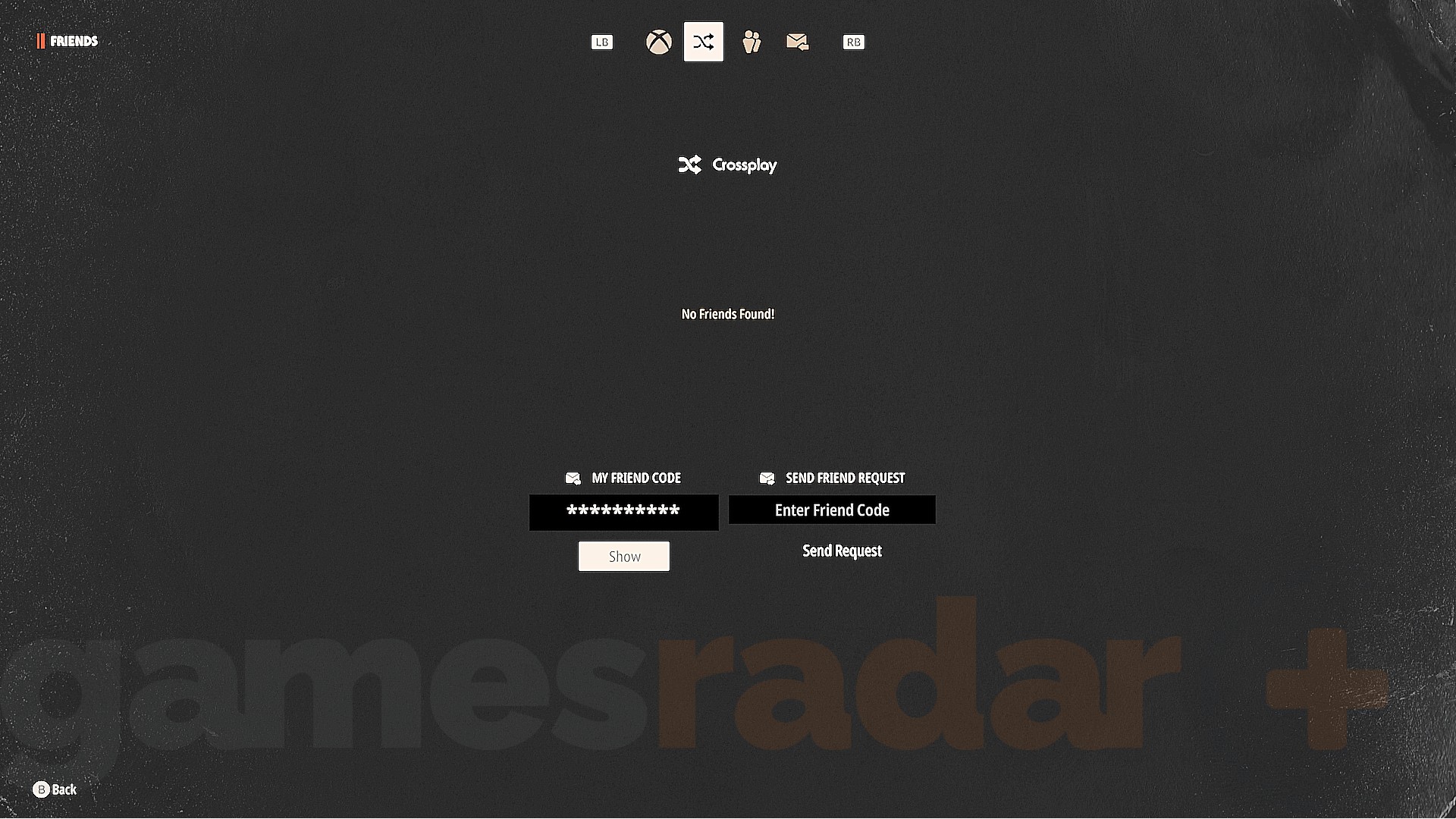
Halloween the Game does have crossplay, enabling you to play with others on different platforms to yourself, be they friends or strangers. Therefore, there are two elements to crossplay, and I'll explain below both how to turn crossplay matchmaking on and off in Halloween the Game, as well as how to add friends on other platforms.
If you want to toggle crossplay on or off, head to the Multiplayer Tab, then press Tab on keyboard or the Menu button on any controller, before selecting the Settings option. In Settings, tab across to General, then toggle cross-play matchmaking on or off as you wish.
To add crossplay friends, meanwhile, head to the Multiplayer Tab, then press Tab on keyboard or the Menu button on any controller, before selecting the Friends icon, indicated by three silhouettes of people. Here, you'll see only friends on the same platform as you, whether they own the game or not, so you need to tab across to the Crossplay menu, the second tab on the menu bar, where you'll find your friend code and a box to enter others' codes. On this page, you can either reveal your own unchanging code to send to others, or enter someone else's to send them a friend request.
Halloween the Game cross-progression
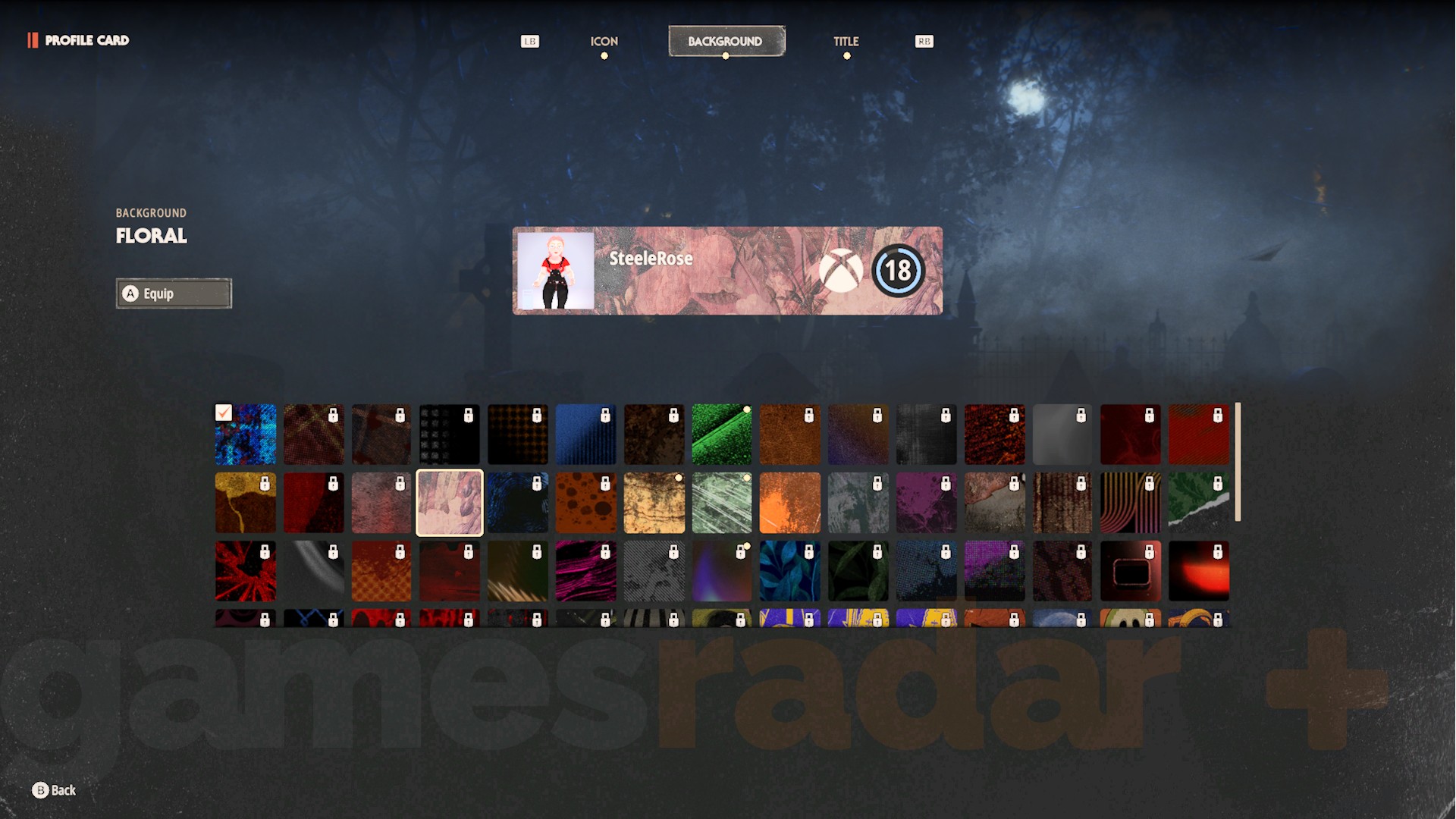
Unfortunately, unlike crossplay, there is no cross-progression in Halloween the Game. That means that, if you're playing the game across multiple platforms yourself, your progress, including unlocked customization items, does not carry across. You'll need to complete challenges on all platforms to unlock items on each, and your player level also increases separately.
This also means that any Halloween the Game codes you redeem should be claimed on all platforms separately as well.
© GamesRadar+. Not to be reproduced without permission.
The internet's new obsession: Gabe Newell explaining why Valve defied big tech by staying a private company and hiring "the most expensive talent"
An old clip of Gabe Newell has gone viral online as today's viewers, suffering through an era of enshittification and widespread tech layoffs, nod along with the Valve chief's sermon on private ownership and prioritizing employees. Meanwhile, Valve itself enjoys per-employee profits that embarrass the likes of Microsoft and Meta, companies responsible for heaps of the layoffs in recent years.
This clip comes from YouTube channel WebKnower, which, for months, has existed primarily to post short videos of Linux godfather Linus Torvalds but has seemingly pivoted to Newell content with a push from the YouTube algorithm. The channel's latest Newell chat, "Gabe Newell Explains Why Valve Never Went Public," is already its most-viewed video with 1.3 million views after four days.
Newell's comments were pulled from a January 2013 lecture at the LBJ School of Public Affairs at The University of Texas. That talk, a full 62 minutes long, saw Newell discuss "Productivity, Economics, Political Institutions & The Future of Corporations," as the video description put it at the time.
As is often the case with these new-again Newell snippets – like the story of him telling Portal writer Erik Wolpaw to "get better" instead of resigning amidst a health crisis – the full story lies outside the viral segment.
This discussion focuses on Valve's priorities as a company and how these made it a natural fit for private ownership rather than public trading. Much of this flies in the face of some conventional cost-cutting wisdom which is still followed today, especially at large tech and game companies.
For example, Newell mentions "there was a big thing a couple of years ago where everybody was trying to hire low-cost content producers in India and China." He says Valve was "trying to do the opposite."
"If somebody working on a feature film production in New Zealand is making $200,000 a year, if they come to Valve they should be making $500,000 or $5 million, creating that much value," Newell continues.
This approach was foundational at Valve, Newell explains in his full lecture. Back in the early days of the company in 1996, Newell says he and other Valve heads had spoken to "insurance companies, and airline companies, and startups in Silicon Valley." Along with co-founder Mike Harrington, he "became convinced ... that everybody was going in the wrong direction."
"There's sort of a movement towards outsourcing, and outsourcing is essentially, where can we find the lowest-cost English language speaker somewhere in the world and we'll give them a job and they'll do it just as well for a lot less money," Newell says. "To us, that seemed exactly the opposite of what you should be doing. What we decided was that we were going to buy the most expensive talent that was out there in the world. That the opportunity was, those were the people who were least correctly valued."

Newell singles out one of those golden talents: Half-Life programmer Yahn Bernier was "shipping 4,000 lines of code per day" in a pre-AI agent era.
This brings Newell back to how to "attract and retain the most highly productive people in the world," and here we really get into Valve's private ownership. "If our thesis is correct, that's where we're going to create our greatest incremental value," Newell says of this high-value staff. If you invest in those people, they will grow and improve the company they work for.
"Valve is not a publicly traded company," he says. "Being a publicly traded company adds a bunch of headaches and it didn't really solve any problems for us. It meant that control around decision-making now involves third parties."
If Valve went public, Newell suggests, everything from its hiring approach to its internal approval process would slow down and could be forced to change to suit the whims of those third parties, namely investors and a board of directors.
"The whole point of being a privately held company is to eliminate another source of noise in the signal between the consumers and the producers of a good," he adds. This consumer-first rhetoric comes up in a similarly exhumed clip of Newell describing piracy as a service issue.
This elimination of "noise" also contributed to Valve's title-lax structure, which regularly sees employees dip their toes into multiple disciplines. Newell goes back to Half-Life for another example: "The guy who designed the skeletal animation system also had a bachelor of fine arts and could also build environmental art."
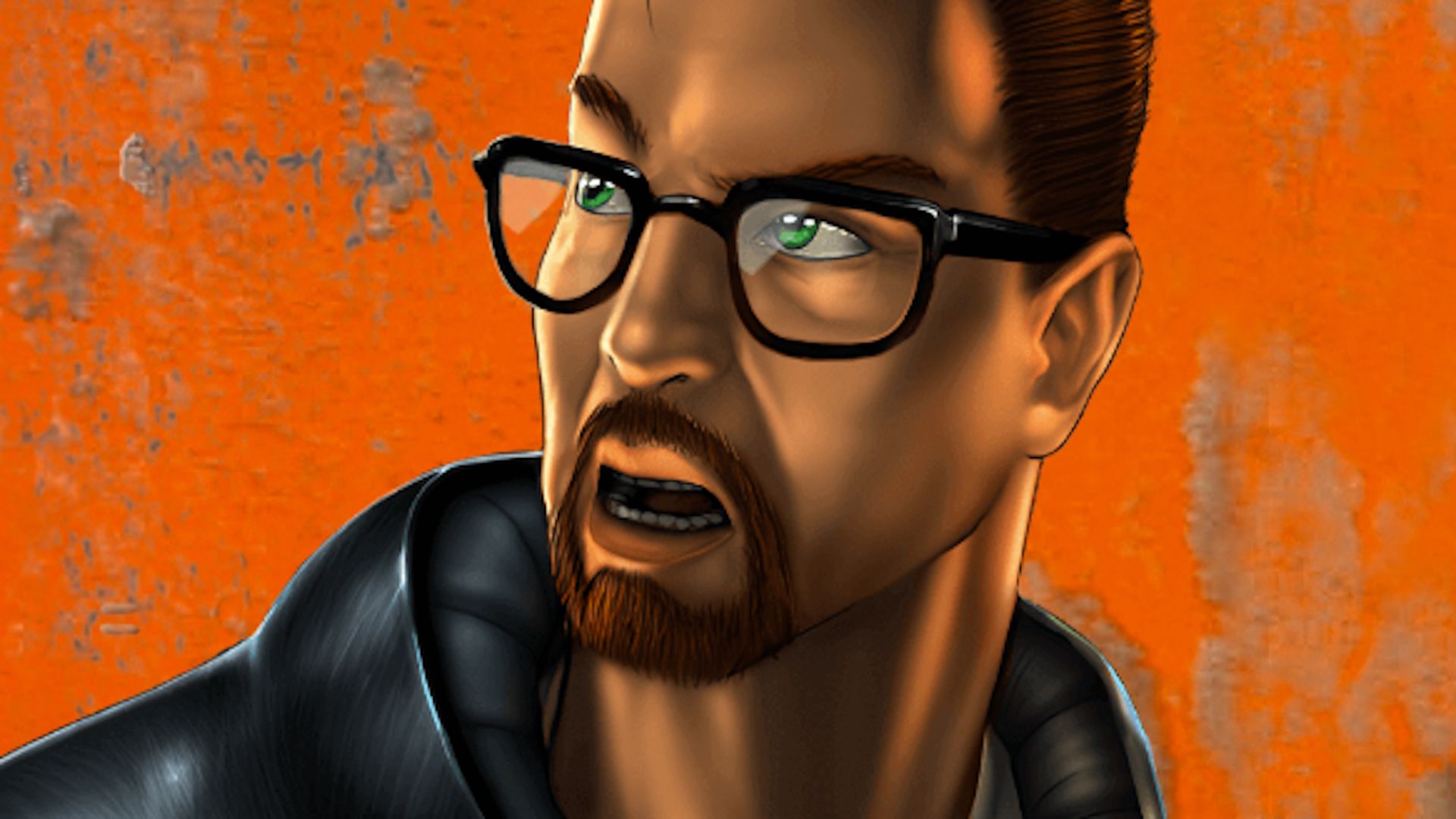
The original Half-Life shows the tangible effects of these high-level business policies, Newell argues: "There are a set of experiences that you get in Half-Life 1 that are entirely a consequence of the person working on it being able to change the environment, change the code, or change the animations depending upon what was the most tractable way of solving the problem. Titles in organizations keep people from properly encapsulating a problem at a point which allows them to be most productive."
It would be interesting to hear Newell explain his stance today. With Steam and Valve looking more successful than ever at a time of games industry-wide upheaval largely driven by publicly traded companies, it's certainly hard to argue with its approach.
Of course, Valve isn't immune to the pressures of the times, with engineer Yazan Aldehayyat warning that the AI-fueled memory crunch will only get worse after hurting the Steam Machine launch.
More recently, Newell has weighed in on how AI will affect productivity, predicting it could cause a "funny situation" where programmers more familiar with AI tools could be "more effective" than people with more actual programming experience.